Preparing for a tattoo starts before the request
Preparing for a tattoo starts with letting the idea mature. Three sentences are enough to describe a project: the subject, the mood you want, what the piece means to you. The references you attach are there to show a style and a mood, not a template to reproduce: Sophie does not copy another artist’s tattoo, and never tattoos the same design twice.
Two things to know before you write. The studio is for adults only, no exceptions: at least eighteen, parental consent or not, and photo ID may be asked for on the day of the session. Also have a budget in mind: an honest range makes a fair proposal possible, and every project gets a written quote before the session.
How does the appointment request work?
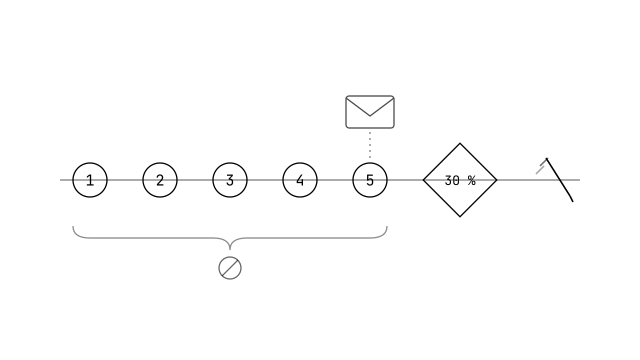
The request takes five steps on the Book an appointment page, a few minutes in all. No calendar to book: Sophie reads every project herself, in the order it arrives, and replies to you personally within 3 working days, with her notes on the drawing, an estimate and a proposed date. One box on the form is about you directly: “This is my first tattoo”. Tick it: Sophie takes more time for first tattoos.
There is nothing to pay when you send the request. Payment only happens once the date is set: a QR code and the IBAN are then sent to you to pay the 30% deposit by bank transfer. Until then, the request commits you to nothing. The session can then be moved at no cost by letting us know in time, but the deposit isn’t returned if you cancel, because it covers the drawing already started. Once the deposit is paid, the session is set and the pre-session protocol arrives by email.
- Steps 1 and 2: the type of project, then the style, size, placement and your references.
- Step 3: the budget you have in mind, your availability and any health points to flag.
- Steps 4 and 5: your contact details, then the summary before sending.
How does a tattoo session go?
A session starts before the needle: Sophie explains how it goes, refines the drawing with you and adjusts the placement, and only then comes the inking. On your side, arrive rested and fed: the body takes the session better when it has slept and eaten. You can bring someone with you, the studio is welcoming and there’s room to settle in; we just keep the workstation quiet during the inking, for a steady hand.
Sessions are held in French or English, and occasionally a little Dutch. The needles are single-use, the studio is registered. If something unexpected makes you late, let us know as soon as you can: a short delay we can make up, a big one may mean rescheduling. At the end of the session, Sophie applies the dressing that suits the piece and tells you how long to keep it on; the balance is paid the same day, by cash or bank transfer.
Does it hurt?
Yes, a little, and the pain of a tattoo depends mostly on the area and the person: forearm and calf go fine, ribs and nape sting more. Fine line is among the gentlest styles. There is no universal pain scale, and you won’t find one here: the same piece is not felt the same way from one person to the next.
What the studio does guarantee: breaks are part of the session, without ever having to ask twice, and no one rushes you, least of all for a first time.
And after the session?
The tattoo is finished at home: four weeks of simple care decide half the result. The surface heals in 3 to 4 weeks, and deeper down the skin finishes its work over about two months. The studio’s full day-by-day protocol is published on the Aftercare page, with a PDF version to keep to hand.
And at the slightest doubt during healing, write to Sophie: a photo and two lines are often enough.